
Middle Tennessee Spring Storms: Is Your Home Insurance Coverage Prepared?
Spring in Middle Tennessee is a season of breathtaking beauty and vibrant renewal, but it also ushers in a period of significant meteorological volatility. As the region shakes off the last vestiges of winter, the atmospheric conditions become ripe for severe weather. Homeowners in Nashville, Franklin, Murfreesboro, and surrounding areas know this annual dance all too well: the threat of severe thunderstorms, destructive high winds, damaging hail, flash floods, and the ever-present specter of tornadoes looms large. This unpredictable fury demands more than just seasonal chores; it necessitates a comprehensive understanding of how your home insurance policy truly protects you against these specific risks. Are you adequately prepared for the potential storm damage Middle Tennessee can unleash? This article will guide you through the critical intersection of our region's spring weather and your homeowners insurance, ensuring your home and peace of mind are shielded.
The Unpredictable Fury of Middle Tennessee Spring
The picturesque landscapes of Middle Tennessee come alive in spring, but this vibrant awakening is often accompanied by dramatic shifts in weather patterns. The warming atmosphere, fueled by moist air from the Gulf of Mexico, collides with cooler air masses lingering from winter. This atmospheric instability creates a fertile ground for intense storm systems. Understanding these dynamics is the foundational step in effective preparedness for the severe weather that frequently impacts our region.
Understanding "Dixie Alley" and Local Risks
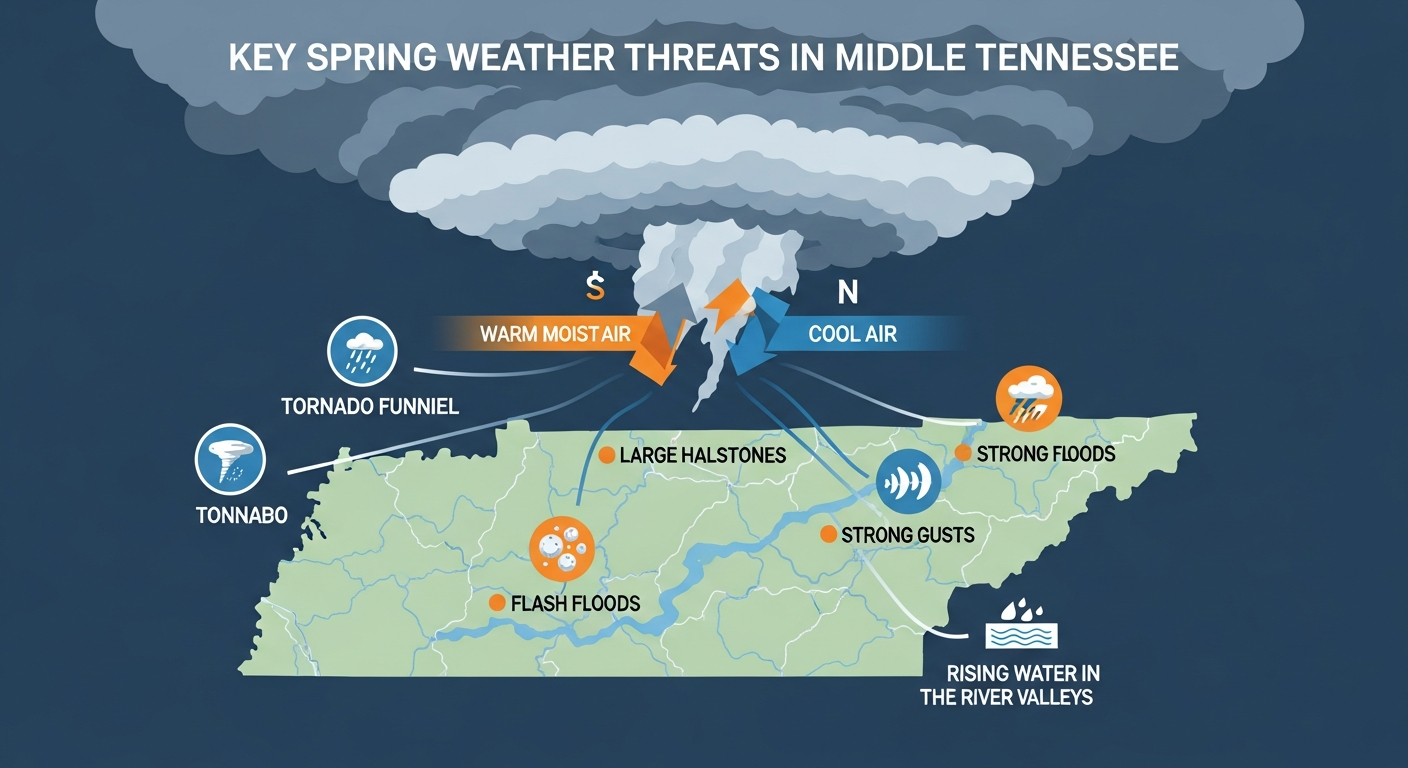
Middle Tennessee's location and topography create a volatile environment for several distinct spring weather threats.
Middle Tennessee finds itself nestled within "Dixie Alley," a broad geographical area in the Southeastern United States notorious for its significant severe weather outbreaks. Unlike the more geographically distinct Tornado Alley in the central plains, Dixie Alley's storms often develop rapidly and can be embedded within widespread rain bands, making them challenging to track and forecast with pinpoint accuracy. This means that severe thunderstorms capable of producing damaging straight-line winds, large hail, and even tornadoes can emerge with little warning. The rolling hills and numerous waterways inherent to Middle Tennessee's topography can also exacerbate the risks of flash floods, a peril that frequently catches homeowners off guard, leading to significant flood damage.
The Spring Season: Rapid Shifts and Increased Vulnerability
The spring season in Middle Tennessee is characterized by its volatility. Within a single day, temperatures can swing dramatically, fueling atmospheric instability and creating the perfect ingredients for severe thunderstorms. These storms can unleash a trifecta of destructive forces: intense rain leading to flash floods, strong high winds that can tear at structures, and hail that can batter your roof and exterior. This period also marks the beginning of tornado season, with a heightened risk of destructive wind-driven storms. While winter storms and their associated challenges like frozen pipes and black ice are a concern, spring brings a different, often more potent, set of threats that can cause extensive storm damage. The increased frequency and intensity of these phenomena during spring make it a particularly vulnerable time for any homeowner in Tennessee.
Beyond the Policy: Strengthening Your Home Against Spring Storms
While insurance provides a vital financial safety net, the most effective preparedness strategy begins with fortifying your home. Proactive measures can significantly reduce the likelihood and severity of storm damage, potentially lowering your insurance premiums and, more importantly, protecting your family and property.
The Vulnerable Roof: Inspection, Maintenance, and Materials
Your home's roof is its primary shield against the elements, making it a prime target during severe weather. High winds can lift shingles, allowing rain to penetrate and cause significant interior damage, while large hail can create cracks and impact points, leading to leaks and structural compromise. Regular inspections, ideally conducted by a professional roofing contractor, are crucial. Look for missing or damaged roof shingles, signs of wear, and ensure your gutters are clear of debris to allow water to drain away effectively, preventing potential water backup. The material of your roof also plays a role; impact-resistant shingles and robust roofing materials can offer greater protection against hail damage and wind-driven storms. Ensuring proper roof underlayment and adequate roof ventilation are also key components of a storm-resilient roof.
Protecting Your Home's Exterior from Wind and Water
Beyond the roof, your home's exterior components are susceptible to damage from high winds and torrential rain. Siding can be torn away, windows can be shattered by flying debris or hail, and garage doors are often a weak point that can buckle under pressure, allowing wind and water to surge inside. Ensuring that siding is securely fastened, windows are in good condition and properly sealed, and garage doors are reinforced or replaced with storm-rated models can offer significant protection. Installing storm shutters or opting for impact-resistant glass can provide an extra layer of defense for your windows. Even simple measures like ensuring weather stripping is intact around doors and windows can help prevent wind-driven rain from entering your home.
Addressing Foundation and Landscape Risks
The impact of spring storms extends below the roofline and exterior walls. Excessive rainfall can saturate the soil around your home's foundation, leading to hydrostatic pressure that can cause cracks or even foundation failure over time. Proper grading around your home to direct water away, along with well-maintained drainage systems, is essential to prevent flood damage from seeping into your basement or crawl space. Additionally, overgrown trees and branches pose a significant risk; falling limbs can cause catastrophic damage to your roof, walls, and windows. Regular tree trimming and removal of dead or diseased trees are prudent steps for homeowners to prevent potential storm damage. Considering a backyard safety checklist to secure outdoor items that could become projectiles during high winds is also a wise precaution.
HVAC and Plumbing: Protecting Against Water Damage and Power Surges
Internal systems are also vulnerable during severe weather. Outdoor HVAC units can be damaged by falling debris or strong winds, and power surges, common during electrical storms and severe thunderstorms, can fry sensitive electronics and appliances. Protecting these essential systems often involves investing in surge protectors for your main electrical panel and individual devices. More critically, ensuring your sump pump is operational and considering backwater valves can protect your basement and finished spaces from flash floods and sewer backups, common issues following intense weather events. Proper insulation for pipes, especially in vulnerable areas, can prevent damage from temperature fluctuations, and knowing the location of your main water shutoff valve is crucial in emergencies. Your heating system and overall plumbing systems require regular checks to ensure they can withstand and recover from storm-related disruptions.
Your Homeowners Insurance: A Deep Dive for Middle Tennessee Spring Storms
Understanding your homeowners insurance policy is paramount, especially when facing the specific threats of Middle Tennessee. It's not just about having a policy; it's about understanding what it covers, what it excludes, and how it will respond when disaster strikes. A well-informed homeowner is a better-protected homeowner.
Standard Homeowners Coverage: Dwelling, Personal Property, and Liability
A standard homeowners insurance policy typically offers three main types of coverage. Dwelling coverage protects the physical structure of your home, including its foundation and walls. Personal property coverage helps replace your belongings if they are damaged or stolen. Liability coverage protects you if someone is injured on your property and holds you responsible. These are the foundational elements, but they have limitations when it comes to the extreme weather common in Tennessee. Understanding the specifics of your dwelling coverage, especially regarding replacement cost versus actual cash value, is critical for effective recovery from significant storm damage.
The Critical Distinction: Wind, Hail, and Other Perils
Most standard homeowners insurance policies in Tennessee do cover damage from wind and hail. This is a crucial point, as these are primary concerns during severe thunderstorms and tornado season. According to Policygenius, wind and hail accounted for 34% of homeowners insurance claims, making it the most common type of claim. However, the specifics matter. Your policy will outline the conditions under which wind damage is covered and may have separate, often higher, deductibles for wind and hail claims. It's essential to review your policy language carefully to understand what constitutes covered wind damage versus damage from other, non-covered perils. While winter storms can cause damage, spring storms often bring more intense wind and hail threats.
Navigating Deductibles: Understanding Your Financial Responsibility
A deductible is the amount you pay out-of-pocket before your insurance policy begins to pay for a covered loss. In Middle Tennessee, understanding your deductible is critical, especially for wind and hail damage. Many policies in storm-prone areas feature separate wind/hail deductibles, which are often a percentage of your home's dwelling coverage (e.g., 1%, 2%, or 5%) rather than a flat dollar amount. This means a severe wind event could result in a significantly higher out-of-pocket expense than you might expect, impacting your ability to recover financially from storm-related damage. A Wind/Hail Deductible Review is a vital step in ensuring you're not blindsided by these costs.
Replacement Cost vs. Actual Cash Value: A Key Difference for Recovery
When damage occurs, your homeowners insurance will typically pay out based on either Replacement Cost Value (RCV) or Actual Cash Value (ACV). RCV pays the cost to repair or replace the damaged property with new materials of similar kind and quality, without deduction for depreciation. ACV pays the cost to repair or replace, minus depreciation for the age and condition of the item. For homeowners facing significant damage from severe weather, RCV coverage is far more beneficial, providing the funds needed for a full restoration of your home. Ensure your dwelling coverage is structured for replacement cost to truly recover from substantial storm damage.
Additional Living Expenses (ALE) Coverage: When Your Home is Uninhabitable
If a covered peril renders your home uninhabitable, Additional Living Expenses (ALE) coverage can be a lifesaver. This part of your homeowners insurance policy helps pay for the temporary increase in living costs you incur while your home is being repaired. This can include hotel stays, restaurant meals, and other essential expenses, allowing you to maintain a semblance of normalcy during a stressful time. Ensure your ALE coverage limits are adequate for the potential duration of repairs following a major storm event in Tennessee, especially if extended power outages occur.
Essential Add-Ons: Filling Coverage Gaps for Middle Tennessee's Unique Threats
While standard homeowners insurance is a strong foundation, the unique risks of Middle Tennessee often require additional coverage to provide comprehensive protection against severe weather and flooding. These specialized policies and endorsements can be the difference between a manageable recovery and financial hardship.
Flood Insurance: The Unspoken Necessity in Spring
One of the most significant coverage gaps in standard homeowners insurance is flood insurance. Damage from flooding, whether from overflowing rivers, heavy rainfall, or storm surge, is typically excluded. Given Middle Tennessee's susceptibility to flash floods and the widespread impact of heavy spring rains, securing separate flood insurance is not a luxury but a necessity for many homeowners. This coverage is often provided through the National Flood Insurance Program (NFIP) or private flood insurance carriers, and it’s crucial to understand that you don't need to live in a designated high-risk flood zone to be at risk of flood damage. Specialized flood insurance is critical for peace of mind during storm season.
Water Backup and Sewer Coverage: Protecting Against Overflow
Closely related to flooding, but distinct, is damage caused by water backing up through sewers or drains. Heavy rains can overwhelm municipal sewer systems, causing backups that can flood basements and lower levels of your home. Standard homeowners insurance usually excludes this type of damage. Water backup and sewer coverage is an endorsement you can often add to your existing policy to protect against these specific, and often costly, incidents. This coverage is particularly important in areas prone to sewer backup during periods of intense rainfall, which are common during spring storm events.
Extended and Guaranteed Replacement Cost: Going Beyond Your Policy Limit
While RCV coverage aims to replace your home, the cost of materials and labor can escalate rapidly after a widespread disaster, potentially exceeding your dwelling coverage limit. Extended replacement cost coverage typically adds an additional percentage (e.g., 25% or 50%) to your dwelling coverage limit. Guaranteed replacement cost, a more robust option, will pay to rebuild your home regardless of the cost, offering the highest level of protection against unforeseen construction expenses following a major catastrophe in Tennessee. This can be invaluable if a widespread storm event causes a surge in construction costs.
Equipment Breakdown Coverage: For HVAC, Appliances, and More
Severe weather can lead to power surges and electrical disturbances that can damage expensive home systems like HVAC units, furnaces, water heaters, and major appliances. Equipment breakdown coverage, often available as an endorsement, can help pay to repair or replace these items if they suffer a breakdown due to electrical surge or mechanical failure, providing a valuable layer of protection for your home's critical infrastructure. This coverage is especially relevant if you experience frequent power outages or electrical storms.
Scheduled Personal Property: For Your High-Value Items
While personal property coverage is standard, it often has sublimits for high-value items such as jewelry, art, or electronics. If you own valuable items that could be damaged or lost in a severe weather event, consider adding Scheduled Personal Property coverage. This allows you to insure specific items for their appraised value, ensuring you receive fair compensation for their loss or damage beyond the standard policy limits. This is important for protecting cherished possessions from potential storm damage.
Your Comprehensive Spring Storm & Insurance Preparedness Plan
Being prepared for Middle Tennessee's spring storms involves a multi-faceted approach, combining physical home maintenance with a clear understanding of your insurance policy. A proactive plan ensures you are not caught off guard by severe weather, flash floods, or the aftermath of high winds.
Pre-Storm Checklist: Preparing Your Home and Documents
Before the weather forecast turns ominous and severe thunderstorms are on the horizon, take these proactive steps:
Secure Outdoor Items: Bring in patio furniture, garbage cans, trampolines, and other loose items that could become projectiles in high winds. Utilize a backyard safety checklist to ensure all outdoor property is secured.
Check Your Roof and Gutters: Ensure your roof shingles are in good condition and free of debris. Clean your gutters to allow water to drain effectively and prevent water backup. Consider a professional roofing contractor for a thorough roof inspection.
Test Sump Pump and Plumbing: Verify your sump pump is working correctly, especially if you have a basement. Know the location of your main water shutoff valve and ensure your plumbing systems are in good order, including insulating pipes to prevent damage from rapid temperature shifts.
Document Your Property: Create a detailed inventory of your belongings, including photos and videos. This personal property inventory is invaluable for insurance claims. Store copies digitally and off-site, or in a secure cloud storage.
Review Your Insurance Policy: Understand your coverages, deductibles (especially for wind/hail and flood), and contact information for your insurance company and agent. Keep policy documents in a safe, accessible place. Reviewing your Wind/Hail Deductible is crucial.
Prepare an Emergency Kit: Stocked with essentials like water, non-perishable food, a first-aid kit with essential first-aid supplies, batteries, flashlights, and a Weather Radio. This emergency kit is vital for any extended power outage.
Develop a Safety Plan: Establish a tornado plan and designate a safe place within your home for your family to gather during severe weather. This includes a plan for pets and any specific needs.
During the Storm: Safety First
When severe weather strikes, your immediate priority is safety:
Stay Informed: Monitor local weather alerts from reliable sources like the National Weather Service, NOAA, and reputable weather outlets. Utilize weather apps and your Weather Radio for real-time Weather Alerts and emergency alerts. Stay updated on the WKRN Weather Authority App or News 2 Storm Tracker.
Seek Shelter: Move to the lowest level of your home, an interior room, or a basement, away from windows and doors. If possible, ensure this safe space is prepared for extended periods due to potential power outages.
Stay Away from Water: Avoid unnecessary contact with water, especially if flash floods are occurring, due to potential electrical hazards and contamination. Be mindful of potential sewer backup.
Lightning Safety: During thunderstorms, stay indoors and avoid contact with water and electrical devices.
Post-Storm Actions: Documenting Damage for Your Claim
After the storm passes and it is safe to leave your shelter:
Assess Safety: Ensure it’s safe to leave your shelter before inspecting any potential storm damage. Be aware of downed power lines or structural instability.
Document Everything: Take photos and videos of all damage from multiple angles before making any temporary repairs. This documentation is crucial for your insurance company.
Contact Your Insurer: Report your claim as soon as possible to your insurance company. The sooner you report the storm damage, the faster the claims process can begin.
Avoid Major Repairs Immediately: Unless it’s an emergency measure to prevent further damage (like a tarp over a damaged roof), wait for your insurance adjuster to assess the situation before authorizing significant repairs.
Navigating the Claims Process and Local Resources
Understanding the claims process and knowing where to turn for help are crucial steps in recovering from storm damage in Middle Tennessee. Working effectively with your insurance company and utilizing local resources can streamline your recovery.
Communicating Effectively with Your Insurance Company
Promptly reporting damage and maintaining clear communication with your insurer are vital. Keep detailed records of all conversations, including dates, times, and the names of the people you speak with. Be prepared to provide all requested documentation, including your personal property inventory and photos of the storm damage, and answer questions honestly and thoroughly. Your insurance company representative is your main point of contact for processing your claim.
The Role of Local Professionals: Contractors and Adjusters
When repairs are needed, work with reputable, licensed, and insured contractors. Ask for references and get detailed estimates in writing. Many property managers and real estate agencies, such as Benchmark Realty or Elevate Real Estate Brokerage, can also offer guidance or connect you with trusted professionals. Your insurance adjuster is your primary contact with the insurance company; they will inspect the damage and assess the claim. Understand their role and don't hesitate to ask for clarification on their findings.
Key Questions to Ask Your Insurance Provider
Before, during, and after a storm, be prepared to ask your insurance provider:
What are my specific deductibles for wind, hail, and flood insurance?
What are the coverage limits for dwelling, personal property, and additional living expenses?
Are there any exclusions in my homeowners insurance policy relevant to Middle Tennessee weather threats like flash floods or high winds?
What is the process for filing a claim, and what documentation is required for storm damage?
Do I have replacement cost coverage or actual cash value for my dwelling and personal property?
What are the options for adding specialized flood insurance or water backup coverage?
What is the coverage for power outage related damage if it's a direct result of a covered peril?
Local Resources for Insurance and Storm Information
Stay informed by utilizing local resources:
National Weather Service Nashville: For accurate and up-to-date weather forecasts and severe weather alerts.
FEMA (Federal Emergency Management Agency): Provides resources on flood preparedness and insurance.
Your Local Insurance Agent: Your most valuable resource for understanding your insurance policy and advocating on your behalf. Companies like 615 Insurance or Farm Bureau Insurance agents can be excellent resources.
Local Emergency Management Agencies: For community-specific storm preparedness information and updates during severe weather events.
Local News Weather Outlets: Channels like WKRN (News 2) and their Weather Nerd or Weather Watcher teams provide essential local weather alerts and forecasts.
Conclusion
Middle Tennessee's spring seasons bring a unique blend of beauty and potential peril. The unpredictable nature of severe weather, from potent high winds and tornadoes to the pervasive threat of flash floods, demands that homeowners be proactive in their preparation. Your homeowners insurance is a critical component of this preparedness, but its effectiveness hinges on understanding its nuances, including your deductibles and coverage limits for perils like wind and hail damage. Critically, standard policies often fall short when it comes to flood insurance, a vital protection for Tennessee residences.
By fortifying your home with measures like roof inspections, securing outdoor items, and maintaining essential systems, you significantly mitigate your risk. Concurrently, thoroughly reviewing your insurance policy, ensuring you have replacement cost coverage, and securing necessary add-ons like specialized flood insurance and water backup coverage, provide the financial resilience needed to recover from storm-related damage. Your next steps should include reviewing your current insurance policy with your insurance company or an agent, identifying any coverage gaps, and implementing the practical home preparedness steps discussed in this article. Being prepared is not just about protecting your property; it's about safeguarding your family's well-being and ensuring peace of mind throughout Middle Tennessee's dynamic storm seasons.
